What does a dance competition result really tell us?
Its easy to get caught up in the whirlwind that is competitive dance, but sometimes it is useful to take a step back and ask, do dance competition results really matter?
Some kids win everything at comps and grow up to do something else entirely. Some are still struggling to balance on one leg at ten and go on to have flourishing careers in dance. And all of that is fine.
What I find interesting is how surprised we can be by either outcome.
Of course dance competition results matter when it’s your child or your student standing onstage waiting for the places to be announced. There have been months of rehearsals, a costume to pay for and, quite possibly, a Sunday that started at five in the morning. What I find harder to explain is how we got from there to looking at a line-up of ten-year-olds and thinking we could pick the future professionals.
I think age groups have something to do with it. Put two children in the eight-year-old section and it feels like a fair comparison. They’re both eight, after all. Except one might have turned eight last week and the other might be nine next Tuesday. And even if they shared a birthday and walked into their first ballet class on exactly the same day, why would we expect them to develop at the same pace?
My daughter didn’t walk until she was eighteen months old. Some of her peers were darting around at ten months. She walks just fine now. I sometimes think about that when I watch young dancers compete. If one child can hold a balance at eight and another gets there at ten, will anyone care which one did it first when they’re both sixteen?
On competition day, of course, it can make quite a difference and it truly feels like its life or death some days. It seem that dance competition results matter and matter a great deal!. One child holds her arabesque right to the end of the phrase. The other puts her foot down halfway through. The child who holds it might well win, and good on them. What interests me is what happens afterwards, when “She has a lovely arabesque” turns into “She’s the one who’s going to go somewhere.” That’s quite a leap to make about an eight-year-old.
I’ve taught hundreds of dancers, maybe thousands. If you’d asked me to pick the future professionals from the eight-year-old section, I’d have got it wrong. And I think we owe the child who wins the same freedom to surprise us as the one who’s still finding her balance.
Imagine being eight, coming offstage delighted with your trophy and hearing an adult say, “We’ll be seeing you on a professional stage one day.” It’s meant as a compliment. But maybe she loves competing and will do it for years. Maybe at fifteen she’ll find something she loves more. She still earned that trophy. She can be proud of it for the rest of her life, whatever she chooses to do.
So let the child who wins enjoy the fuss. Let the one who’s disappointed be disappointed for a bit. Later, there might be something in the adjudicator’s comments worth taking back to the studio.
A wise teacher once said to me, “If you went onstage and entertained the audience, your job is done. Anything else is a bonus.” I think of that when I picture an eight-year-old walking out in a fabulous costume, all by herself, and making a whole row of people smile. Whatever happens when the places are announced, she’s already done that.
So what does a dance competition result really tell you? It’s one adjudicator’s opinion of how you danced that day.
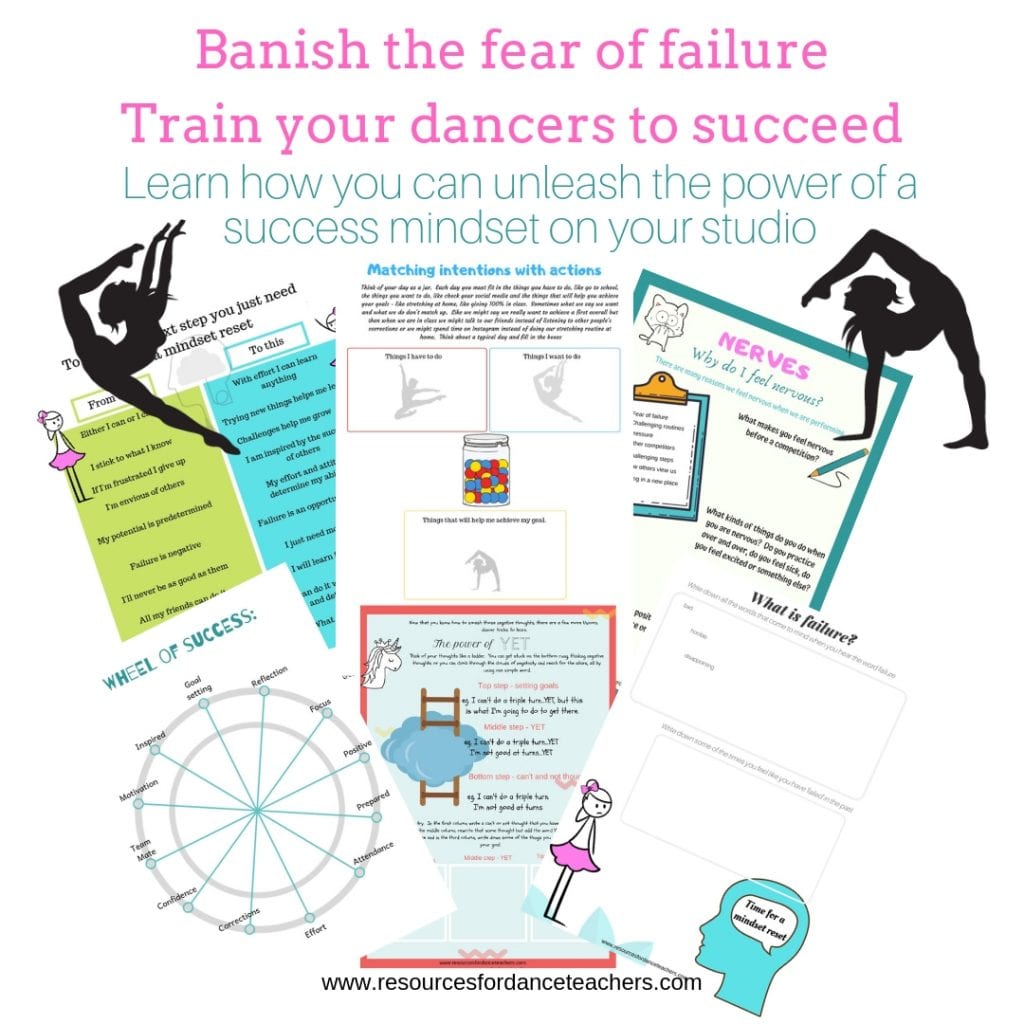
If you are exploring this with your dancers, Success Mindset for Competitive Dancers is a resource you can use back in the studio.